
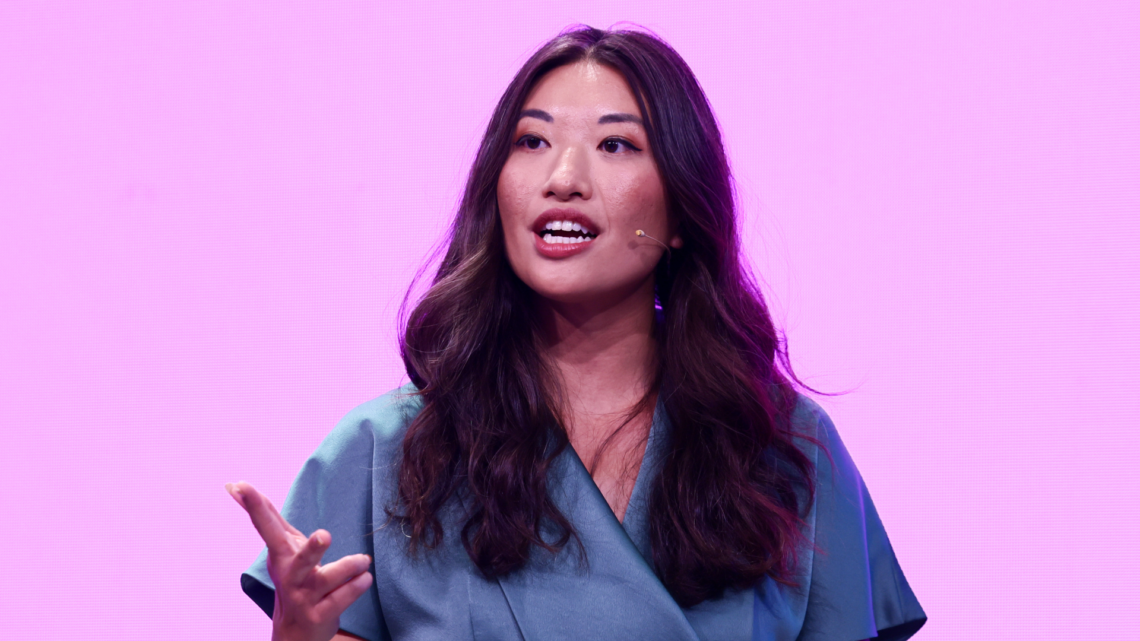
As the battle for the future of social media intensifies, Bluesky Chief Operating Officer Rose Wang has emerged as a prominent voice advocating for a different vision of online interaction. In a recent critique of industry giants X and Facebook, Wang argued that the platforms have evolved beyond traditional social networking, stating that they are “basically AI companies at this point.” Her comments have sparked renewed debate about the growing role of artificial intelligence in shaping digital experiences.
Wang’s observations reflect a broader transformation occurring across the technology industry. Major social media platforms are increasingly investing in AI-powered features, recommendation systems, content generation tools, and automated engagement mechanisms. While these innovations promise greater personalization and efficiency, critics worry that they may shift focus away from authentic human connection.
Bluesky has positioned itself as an alternative to conventional social networks by emphasizing user control, decentralization, and transparency. The platform seeks to give individuals greater influence over their online experience, allowing them to choose how content is moderated and displayed. This approach contrasts with the algorithm-driven ecosystems that dominate much of today’s social media landscape.
According to Wang, the increasing reliance on artificial intelligence raises important questions about the purpose of social platforms. Are they designed primarily to connect people, or are they becoming technology ecosystems where AI determines what users see, engage with, and believe? The answer has significant implications for digital culture, public discourse, and personal autonomy.
Supporters of AI integration argue that advanced algorithms help users discover relevant content, improve safety measures, and enhance platform functionality. However, critics caution that excessive automation can create echo chambers, amplify misinformation, and reduce opportunities for genuine interaction.
The debate highlights a critical moment for the tech industry. As artificial intelligence becomes more sophisticated, companies must balance innovation with responsibility. Users are increasingly demanding transparency regarding how algorithms influence their online experiences and shape public conversations.
Rose Wang’s remarks underscore a growing desire for social platforms that prioritize community, choice, and meaningful engagement. Whether the future belongs to AI-driven ecosystems or more decentralized networks remains uncertain, but the conversation is reshaping how people think about technology, communication, and the digital world itself.

